Hanuman Ashtottram in Telugu PDF: A Comprehensive Plan
Anjaneya Ashtottara Shatanama Stotramu‚ the 108 names of Hanuman‚ is available in Telugu PDF format for devoted chanting and grace.
Numerous online resources‚ like File4052 and Vaidika Vignanam‚ offer downloadable PDFs of this sacred hymn and related Hanuman prayers.
The Hanuman Ashtottram‚ a devotional hymn consisting of 108 sacred names of Lord Hanuman‚ holds immense significance in Hindu tradition; Specifically‚ the Telugu version‚ often found in PDF format‚ allows devotees to connect with Hanuman through their native language.
This Ashtottram isn’t merely a list; it’s a powerful spiritual practice. The names encapsulate Hanuman’s virtues – his unwavering devotion‚ strength‚ courage‚ and selfless service. Accessing it in Telugu‚ through resources like File4052 and Vaidika Vignanam‚ makes it accessible to a wider audience. The hymn‚ known as Anjaneya Ashtottara Shatanamavali in Telugu‚ is designed for recitation and contemplation‚ fostering a deeper connection with the divine.
These PDFs often include transliteration and meaning‚ aiding proper pronunciation and understanding.
Significance of Chanting the Hanuman Ashtottram
Chanting the Hanuman Ashtottram‚ particularly in Telugu PDF format for ease of access‚ is believed to bestow numerous spiritual benefits. Recitation is said to remove obstacles‚ grant courage‚ and enhance devotion to Lord Rama. The 108 names‚ or Anjaneya Ashtottara Shatanamavali‚ act as a potent mantra‚ purifying the mind and fostering inner peace.
Devotees often seek the Telugu version to connect more deeply with the verses through their mother tongue. Consistent chanting is thought to strengthen willpower‚ improve concentration‚ and protect against negative energies. The practice is considered highly auspicious‚ especially when performed with sincerity and devotion‚ leading to spiritual growth and liberation.
Regular recitation‚ using readily available PDFs‚ is a pathway to Hanuman’s blessings.
The 108 Names: An Overview
The Hanuman Ashtottram comprises 108 sacred names of Lord Hanuman‚ each revealing a different aspect of his divine qualities and heroic deeds. These names‚ available in Telugu PDF versions‚ encapsulate his strength‚ devotion‚ wisdom‚ and selfless service. The names often highlight Hanuman’s role as a devoted servant of Rama and a protector of dharma.
Within the Anjaneya Ashtottara Shatanamavali‚ names like ‘Vayuputra’ (son of the wind god) and ‘Ramabhakta’ (devotee of Rama) are prominent. The Telugu PDFs often include transliteration and meaning‚ aiding understanding and pronunciation. Chanting these names is believed to invoke Hanuman’s blessings and purify the chanter.
Each name represents a facet of Hanuman’s power and grace‚ offering a comprehensive glimpse into his divine nature.

Understanding the Structure of the Ashtottram
Hanuman Ashtottram typically has three parts: the names‚ the archana (ritualistic offering)‚ and the kavacha (protective shield) – all found in Telugu PDFs.
The Three Parts of the Hanuman Ashtottram
The Hanuman Ashtottram‚ readily available as a Telugu PDF‚ is structured into three distinct‚ yet interconnected sections. Firstly‚ the core comprises the 108 sacred names of Lord Hanuman‚ each imbued with specific qualities and powers. These names‚ when chanted‚ invoke His divine presence.
Secondly‚ the Archana section details the ritualistic offering of these names‚ often accompanied by flowers‚ incense‚ and other symbolic items. This practice enhances devotion and purification. Finally‚ the Kavacha portion provides a protective shield‚ offering spiritual safeguarding to the devotee.
Telugu PDF versions often include transliteration‚ pronunciation guides‚ and meanings‚ facilitating a deeper understanding and more meaningful recitation of this powerful stotram. Understanding these parts unlocks the full potential of the Ashtottram.
Importance of Recitation with Devotion
Reciting the Hanuman Ashtottram in Telugu‚ especially utilizing a PDF version for accurate pronunciation‚ gains immense power when performed with sincere bhakti (devotion). Mere mechanical chanting yields limited results; heartfelt connection is key.
Devotion fosters a receptive state of mind‚ allowing the divine energy of Hanuman to permeate the practitioner’s being. This focused intention amplifies the benefits‚ leading to increased courage‚ strength‚ and liberation from obstacles.
The Telugu PDF resources often emphasize the importance of understanding the meaning of each name‚ further deepening the devotional experience. A truly devoted recitation transcends ritual‚ becoming a profound act of surrender and communion with the divine.
Benefits of Regular Chanting
Consistent recitation of the Hanuman Ashtottram‚ aided by accessible Telugu PDF versions‚ unlocks a wealth of spiritual and worldly benefits. Devotees report increased mental clarity‚ emotional stability‚ and a strengthened resolve to overcome life’s challenges.
Regular chanting is believed to dispel negative energies‚ protect against harmful influences‚ and foster a sense of inner peace. It’s considered particularly effective in alleviating anxieties and promoting courage.
Furthermore‚ dedicated practice cultivates devotion to Lord Hanuman‚ leading to enhanced spiritual growth and a closer connection to the divine. Utilizing the Telugu text ensures correct pronunciation‚ maximizing the mantra’s potency and positive impact.

Finding Hanuman Ashtottram in Telugu PDF
Hanuman Ashtottram Telugu PDFs are readily available on platforms like File4052 and Vaidika Vignanam‚ offering convenient access to this sacred text for devotees.
Reliable Sources for Telugu PDF Downloads
Locating authentic Hanuman Ashtottram PDFs in Telugu requires discerning reliable sources. File4052 emerges as a prominent platform‚ hosting several downloadable PDFs‚ including the Vichitra Veera Hanuman Mala Mantra and the Hanuman Chalisa in Telugu.
Vaidika Vignanam is another valuable resource‚ providing the Hanuman Chalisa in Telugu alongside other devotional materials. When downloading‚ verify the file integrity and source reputation to ensure accuracy.
Be cautious of unofficial websites; prioritize established platforms known for Vedic content. Exploring online forums dedicated to Hindu scriptures can also yield recommendations for trustworthy PDF downloads. Always scan downloaded files for malware before opening them.
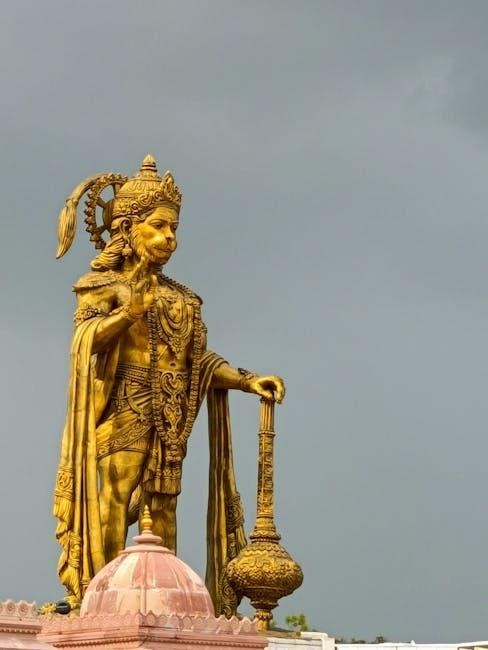
File4052 PDF Resource
File4052 presents a collection of Telugu PDFs centered around Hanuman worship. Notably‚ it hosts the Vichitra Veera Hanuman Mala Mantra in Telugu‚ a three-page document for devotees. The platform also provides access to the Hanuman Ashtothram itself‚ facilitating easy access to the 108 names of Lord Hanuman.
Users report a generally positive experience with File4052‚ finding the PDFs readily available and reasonably well-formatted. However‚ it’s crucial to exercise standard online safety precautions when downloading from any website.
Ensure your antivirus software is up-to-date before opening downloaded files. File4052 serves as a convenient starting point for acquiring these sacred texts in Telugu PDF format.
Vaidika Vignanam PDF Resource
Vaidika Vignanam offers several valuable Telugu PDF resources for Hanuman devotees. A key offering is the Hanuman Chalisa in Telugu‚ spanning four pages‚ providing a readily accessible version of this popular devotional hymn. This resource is particularly useful for those seeking a simpler‚ more concise prayer.
The platform appears to focus on providing traditional Vedic texts in accessible formats. Users can expect clear presentation and accurate transliteration within the PDFs. Like any online source‚ it’s advisable to scan downloaded files with antivirus software.
Vaidika Vignanam is a reliable source for obtaining the Hanuman Chalisa and potentially other related Hanuman prayers in Telugu PDF format.
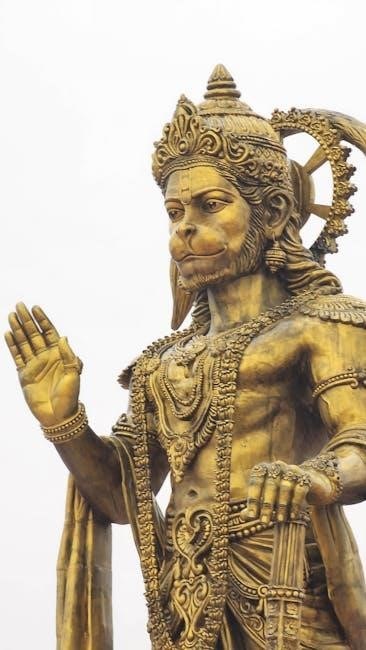
Key Components of the Telugu Text
Telugu texts include transliteration guides‚ pronunciation assistance‚ and explanations of Sanskrit root meanings for each of Hanuman’s 108 names.
Transliteration and Pronunciation Guide
Understanding the script is crucial when chanting the Hanuman Ashtottram in Telugu. PDFs often provide a Roman transliteration alongside the Telugu text‚ aiding those unfamiliar with the script.
This transliteration isn’t a direct phonetic equivalent‚ but a guide to approximate pronunciation. Accurate pronunciation is vital for the mantra’s efficacy. Pay close attention to vowel sounds and the subtle nuances of Telugu consonants.
Many resources offer audio pronunciations alongside the text‚ allowing devotees to learn correct articulation. Mastering the sounds ensures proper resonance and connection with the divine energy of Lord Hanuman. Consistent practice with a guide will significantly improve your chanting.
Focus on clear enunciation and rhythmic flow for a more fulfilling spiritual experience.
Meaning of Key Names in Telugu
The Hanuman Ashtottram’s power lies not only in chanting but also in understanding the significance of each name. Telugu PDFs frequently include translations explaining the attributes each name reveals about Lord Hanuman.
For example‚ names like “Vayuputra” (son of Vayu‚ the wind god) highlight his divine parentage and swiftness. “Ramabhakta” (devotee of Rama) emphasizes his unwavering loyalty. Understanding these meanings deepens devotion.
Exploring the etymology of each name‚ tracing its Sanskrit roots‚ provides further insight. The Telugu translations often unpack these nuances‚ revealing Hanuman’s multifaceted nature – strength‚ humility‚ wisdom‚ and selfless service.
Contemplating these meanings during chanting amplifies the spiritual benefits and fosters a closer connection with the deity.
The Role of Sanskrit Roots
The Hanuman Ashtottram‚ originating in Sanskrit‚ holds profound meaning embedded within its root words. Telugu PDFs often present transliterations alongside translations‚ allowing devotees to connect with the original verses.
Understanding the Sanskrit etymology unlocks deeper layers of significance. For instance‚ the name “Maruti” derives from ‘Marut’‚ signifying wind‚ reflecting Hanuman’s speed and energy. Similarly‚ “Anjaneya” links to Anjana‚ his mother‚ revealing his lineage.
These roots aren’t merely linguistic; they carry philosophical weight‚ representing Hanuman’s divine qualities. Studying them enhances comprehension and elevates the chanting experience.
Many Telugu resources explain these Sanskrit origins‚ bridging the gap for those less familiar with the ancient language‚ fostering a richer devotional practice.
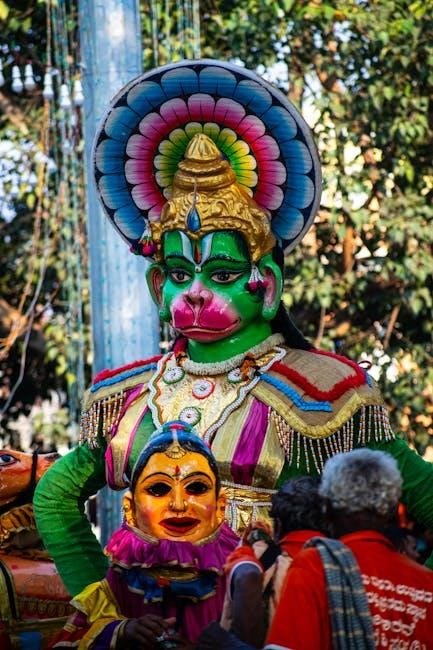
Related Hanuman Stotras and Mantras
Alongside the Hanuman Ashtottram‚ Telugu PDFs also feature the Hanuman Chalisa‚ Vichitra Veera Hanuman Mala Mantra‚ and Yantrodharaka Hanuman Stotra for comprehensive worship.
Vichitra Veera Hanuman Mala Mantra
The Vichitra Veera Hanuman Mala Mantra‚ a powerful hymn dedicated to Hanuman‚ is readily available in Telugu PDF format through resources like File4052. This mantra‚ distinct from the Hanuman Ashtottram‚ offers a different avenue for devotional practice and seeking Hanuman’s blessings.
The PDF document typically spans three pages‚ presenting the mantra in Telugu script alongside potential transliterations or translations to aid understanding. Chanting this mantra is believed to bestow strength‚ courage‚ and devotion‚ mirroring the qualities embodied by Hanuman.
Devotees often explore this mantra alongside the Ashtottram to enrich their Hanuman worship‚ benefiting from the unique energies and lyrical beauty of each sacred text. Accessing these PDFs facilitates convenient and consistent spiritual practice.
Hanuman Chalisa in Telugu
The Hanuman Chalisa‚ a beloved devotional hymn‚ is widely accessible in Telugu PDF format from sources like Vaidika Vignanam and File4052. This 40-verse poem praising Hanuman’s virtues complements the Hanuman Ashtottram‚ offering a different style of worship and connection with the deity.
PDF versions typically span seven or four pages‚ presenting the verses in Telugu script‚ potentially with transliterations to aid pronunciation. Reciting the Hanuman Chalisa is believed to remove obstacles‚ grant peace‚ and foster devotion.
Many devotees integrate the Chalisa into their daily routines alongside the Ashtottram‚ creating a comprehensive practice. These readily available PDFs ensure convenient access for consistent spiritual engagement and Hanuman’s grace.
Yantrodharaka Hanuman Stotra
The Yantrodharaka Hanuman Stotra‚ a powerful hymn dedicated to Hanuman‚ is also found in Telugu resources alongside the Hanuman Ashtottram PDFs. Lyrics are available online‚ with sources referencing Sri Yatroddharaka Hanuman Stotra in Telugu script.
This stotra focuses on Hanuman’s strength and protective qualities‚ often recited for courage and overcoming challenges. While dedicated PDFs might be less prevalent than the Chalisa or Ashtottram‚ verses are accessible through various online platforms and digital libraries.
Devotees often explore this stotra to deepen their connection with Hanuman‚ complementing their Ashtottram practice. It’s a valuable addition for those seeking a more elaborate and detailed devotional experience.

Exploring Other Hanuman Prayers
Hanumat Stotram‚ Anjaneya Dandakam‚ and other Telugu prayers enrich devotion alongside the Hanuman Ashtottram PDF‚ offering diverse worship options.
Hanumat Stotram – A Detailed Look
Hanumat Stotram‚ a revered hymn dedicated to Lord Hanuman‚ complements the Hanuman Ashtottram practice. Telugu translations‚ often found in PDF format alongside the Ashtottram‚ provide accessible devotional material.
The Stotram consists of ten verses praising Hanuman’s virtues‚ strength‚ and unwavering devotion to Rama. A summary of the Telugu translation‚ available online‚ highlights Hanuman’s reddish complexion and powerful attributes.
Chanting the Hanumat Stotram alongside the Ashtottram deepens one’s connection with the deity. Resources like File4052 and Vaidika Vignanam may offer both texts‚ facilitating a comprehensive worship experience. Devotees find solace and spiritual upliftment through these combined practices‚ readily available in Telugu PDF versions.
Anjaneya Dandakam in Telugu
Anjaneya Dandakam‚ a powerful poetic composition honoring Lord Hanuman‚ frequently appears alongside resources for the Hanuman Ashtottram in Telugu PDF collections. It’s a significant text for devotees seeking a deeper connection.
Currently available online is the first page of a three-page article detailing the Anjaneya Dandakam in Telugu. This introduction sets the stage for understanding the poem’s profound verses and Hanuman’s glorious attributes.
Like the Ashtottram‚ finding the Dandakam in Telugu PDF format enhances accessibility for those who prefer reading and chanting in their native language. Websites like File4052 and Vaidika Vignanam may host these valuable devotional materials‚ enriching the overall worship experience.
Narasimha Dev Prayers & Jagannatha Astakam (Context)
While searching for the Hanuman Ashtottram in Telugu PDF‚ devotees may also encounter resources for prayers to Lord Narasimha and the Jagannatha Astakam. These often appear on the same platforms catering to Hindu devotional texts.
Resources like File4052 provide PDFs of Narasimha Dev prayers‚ specifically the Sikshastakam‚ alongside Hanuman-related materials. This reflects a broader offering of Vaishnava devotional content.
The inclusion of the Jagannatha Astakam suggests a common interest among users seeking spiritual texts in Telugu PDF format. Though distinct from the Hanuman Ashtottram‚ these resources demonstrate the interconnectedness of Hindu devotional practices and the convenience of accessing them digitally.

The Ashtottara Shatanamavali Tradition
Anjaneya Ashtottara Shatanamavali‚ a hymn of 108 names‚ follows the broader Ashtottara Satanamavali tradition within Hindu devotional practices.
Telugu PDFs make this accessible.
Surya-Ashtottara-Shatanamavali (Related Practice)
The Surya-Ashtottara-Shatanamavali‚ a recitation of 108 names dedicated to Lord Surya (the Sun God)‚ shares a structural and devotional similarity with the Hanuman Ashtottram. Both fall under the Ashtottara Shatanamavali tradition – a practice of invoking deities through their 108 names.
Understanding this connection highlights a broader Hindu practice of honoring deities through comprehensive name-based hymns. While focused on different deities‚ both traditions emphasize the power of repetition and devotion. Finding Telugu PDFs of both allows for comparative study and a deeper appreciation of the underlying principles of this ancient practice. Devotees often explore multiple such stotras to enrich their spiritual journey.
Ashtottara Satanamavali – General Information
The Ashtottara Satanamavali is a Hindu practice involving the chanting of 108 names of a deity. “Ashtottara” signifies 108‚ and “Satanamavali” means a garland of names. This practice is considered highly auspicious and is believed to bestow numerous benefits upon the devotee.
The Hanuman Ashtottram specifically fits within this framework‚ offering 108 names of Lord Hanuman. PDF versions in Telugu facilitate accessible recitation. These hymns are often recited with offerings and devotion‚ enhancing their spiritual potency. The practice isn’t limited to Hanuman; many deities have associated Ashtottara Satanamavalies‚ demonstrating its widespread significance in Hindu worship.
Astakam – A Common Poetic Form
An Astakam is a poetic form consisting of eight verses‚ frequently used in devotional hymns within Hinduism. Many prayers dedicated to various deities‚ including Lord Hanuman‚ are composed as Ashtakams. These concise yet powerful compositions encapsulate the essence of the deity’s attributes and glories.
While the Hanuman Ashtottram itself is a 108-name compilation‚ related hymns like Hanumat Stotram often are structured as Ashtakams. Telugu PDFs of these hymns are readily available online. The Astakam format allows for focused devotion and easier memorization‚ making it a popular choice for daily prayers and rituals. It’s a traditional and effective way to connect with the divine.
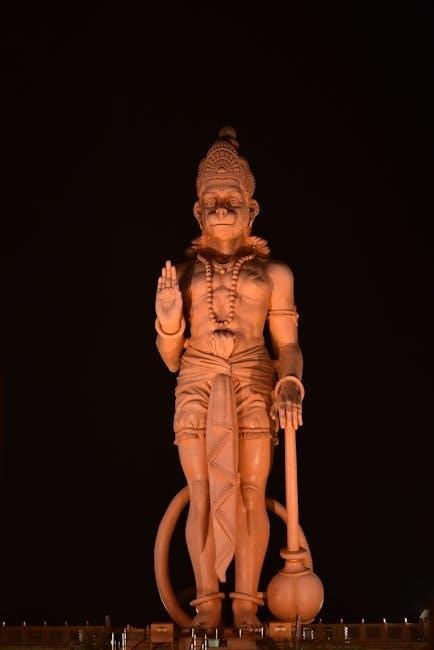
Practical Guidance for Chanting
Optimal times for reciting the Hanuman Ashtottram include Tuesdays and Saturdays. Prepare with a clean space and focused mind‚ combining it with puja or meditation.
Best Times for Recitation
The most auspicious days for reciting the Hanuman Ashtottram‚ particularly in Telugu‚ are Tuesdays and Saturdays‚ dedicated to Lord Hanuman. These days amplify the spiritual benefits and invoke his blessings more readily.
Sunrise and sunset are considered particularly potent times‚ aligning with the peak energy of the day. However‚ any time dedicated with sincere devotion is acceptable.
Special occasions like Hanuman Jayanti‚ or during the Shukla Paksha (waxing moon phase)‚ further enhance the efficacy of the chanting. Reciting during muhurta times‚ calculated based on astrological charts‚ is also beneficial for focused spiritual practice. Consistency is key; regular recitation‚ even for a short duration‚ yields significant results.
Preparation Before Chanting
Before commencing the Hanuman Ashtottram recitation in Telugu‚ creating a serene and clean environment is crucial. A quiet space‚ free from distractions‚ allows for focused devotion.
Traditionally‚ a ritual bath is recommended to purify the body and mind. Offer incense and a lamp (diya) to Lord Hanuman as a mark of respect.
Having the Telugu PDF text readily available‚ along with a mala (rosary) for counting repetitions‚ aids the practice. Cultivate a peaceful mental state through a few moments of meditation or prayer. A sincere intention and unwavering faith are the most important preparations for a fruitful chanting experience.
Combining with Other Practices (Puja‚ Meditation)
The Hanuman Ashtottram in Telugu beautifully complements other devotional practices. Performing a puja (worship) to Lord Hanuman – offering flowers‚ fruits‚ and sweets – before chanting enhances its efficacy.
Integrating meditation alongside the recitation deepens the spiritual experience. Focusing on Hanuman’s image or qualities during chanting cultivates inner peace and devotion.
Chanting the Ashtottram after reciting the Hanuman Chalisa‚ also available in Telugu PDF format‚ creates a powerful synergistic effect. Regularly combining these practices fosters a stronger connection with Lord Hanuman‚ leading to spiritual growth and blessings.

Additional Resources & eBooks
Numerous Telugu eBooks (PDFs) on Hanuman worship are accessible online‚ alongside forums and communities dedicated to devotional practices and further reading.
Telugu eBooks (PDF) Availability
A wealth of Telugu eBooks in PDF format dedicated to Hanuman and related stotras are readily available online. Websites like File4052 and Vaidika Vignanam host several resources‚ including the Hanuman Chalisa in Telugu‚ the Vichitra Veera Hanuman Mala Mantra‚ and the Yantrodharaka Hanuman Stotra lyrics.
Furthermore‚ documents detailing the Anjaneya Dandakam and Hanumat Stotram translations are accessible. These PDFs often include transliteration‚ meaning‚ and explanations of Sanskrit roots‚ aiding in proper recitation and understanding. Searching online using keywords like “Hanuman Stotram Telugu PDF” or “Anjaneya Ashtottara Shatanamavali Telugu PDF” will yield numerous results‚ offering devotees convenient access to these sacred texts for personal study and worship.
Online Forums and Communities
Engaging with online forums and communities dedicated to Hindu spirituality can be incredibly beneficial when seeking resources related to the Hanuman Ashtottram in Telugu PDF format. These platforms often serve as repositories of shared knowledge‚ where devotees exchange links to downloadable PDFs of stotras‚ translations‚ and commentaries.
Members frequently discuss the nuances of pronunciation‚ meaning‚ and proper chanting techniques. Participating in these communities allows you to ask specific questions‚ clarify doubts‚ and connect with others who share your devotion to Lord Hanuman. Searching for Telugu-language Hindu devotional groups online will reveal active forums where you can find valuable resources and support.
Further Reading on Hanuman Worship
Expanding your understanding of Hanuman worship beyond the Ashtottram involves exploring related texts and commentaries. Delving into works discussing the broader Ramayana context enriches appreciation for Hanuman’s devotion. Resources detailing the significance of Hanuman’s role in various Hindu traditions offer deeper insights.
Investigating scholarly articles and books on Hanuman’s iconography and symbolism provides a richer understanding of the deity. Exploring Telugu translations of Hanuman-related scriptures‚ like the Hanuman Chalisa and Anjaneya Dandakam‚ complements the Ashtottram study. These resources collectively illuminate the profound spiritual significance of Hanuman and his unwavering devotion to Rama.
